
The Future of AI in Enterprise Systems
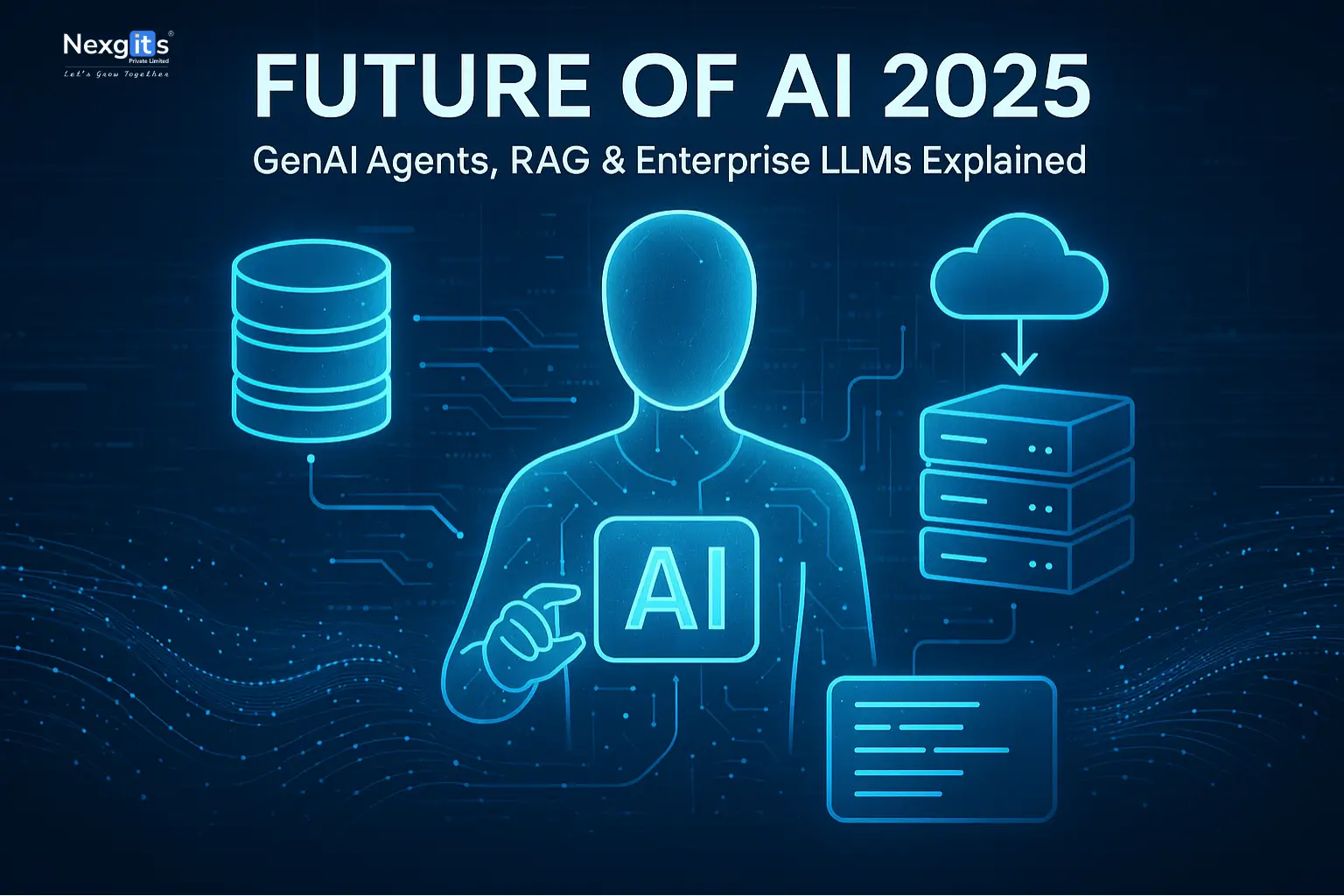
Artificial intelligence is no longer a technology of the future — it is the operating system of modern enterprise. From automating back-office workflows to augmenting executive decision-making, AI has moved from pilot project to core infrastructure in organisations that want to stay competitive.
From Experimentation to Infrastructure
For much of the last decade, enterprise AI existed in isolated pockets: a recommendation engine here, a fraud detection model there. What has fundamentally changed is the emergence of foundation models — large language models (LLMs) and multimodal systems capable of reasoning, writing, coding, and conversing at a level that slots naturally into knowledge work.
Companies that treat AI as infrastructure — rather than a feature — are building compounding advantages. They are reducing cycle times across legal, finance, HR, and product teams simultaneously, while their competitors still debate where to begin.
The Three Layers of Enterprise AI Adoption
At HOPn, we observe enterprise AI adoption unfolding in three distinct layers:
- Productivity layer: Copilots, assistants, and summarisation tools that give every knowledge worker a force multiplier. The ROI here is immediate and measurable.
- Process layer: AI-native workflows that replace or redesign existing processes — not just accelerate them. Think contract review pipelines, automated compliance checks, or dynamic pricing engines.
- Intelligence layer: Systems that sense, reason, and act autonomously across complex domains. This is where AI agents and orchestration frameworks like HOPn's own AI Pass platform operate.
Decision-Making at Machine Speed
One of the most profound shifts is in how decisions get made. Traditionally, decision quality was constrained by human bandwidth: the number of analysts available, the hours in a working day, and the cognitive limits of processing large datasets in parallel.
AI breaks those constraints. A well-designed system can ingest real-time data from dozens of sources, surface relevant signals, model scenarios, and present structured recommendations — all before a human needs to review and act. The human remains in the loop for judgment and accountability; the machine handles the heavy lifting of synthesis.
Governance Is Not Optional
Speed without governance is risk at scale. As AI takes on more consequential tasks, enterprises need clear frameworks for model evaluation, bias monitoring, audit trails, and escalation paths. Regulatory environments — particularly in the EU with the AI Act — are making governance a compliance requirement, not just best practice.
This is an area HOPn invests in deeply. Our Sovra AI platform is designed from the ground up for on-device, sovereign AI deployment — ensuring that sensitive enterprise data never leaves the organisation's control.
What Comes Next
The next two to three years will see AI move from augmenting individual tasks to coordinating entire departments. Multi-agent systems — where specialised AI models collaborate to complete complex, multi-step objectives — are already in production at leading organisations. The enterprises that invest now in the right architecture, governance, and talent will be the ones setting the pace.
At HOPn, we partner with organisations at every stage of this journey — from strategy and architecture through to deployment and ongoing optimisation. If you want to explore what enterprise AI could unlock for your organisation, get in touch with our team.
Want to learn more?
Get in touch with the HOPn team to discuss how we can help your organisation.
Contact Us